Intentional Living

9 min read

Your Home Is Talking to Your Nervous System. Most People Are Not Listening.

Exploring how your home environment directly affects your nervous system after a day of responsibility, this article reframes everyday stress as an environmental issue rather than a personal failing. It shows how small, intentional upgrades to your space can reduce mental load, restore calm, and turn your home into a place of recovery, not stimulation.
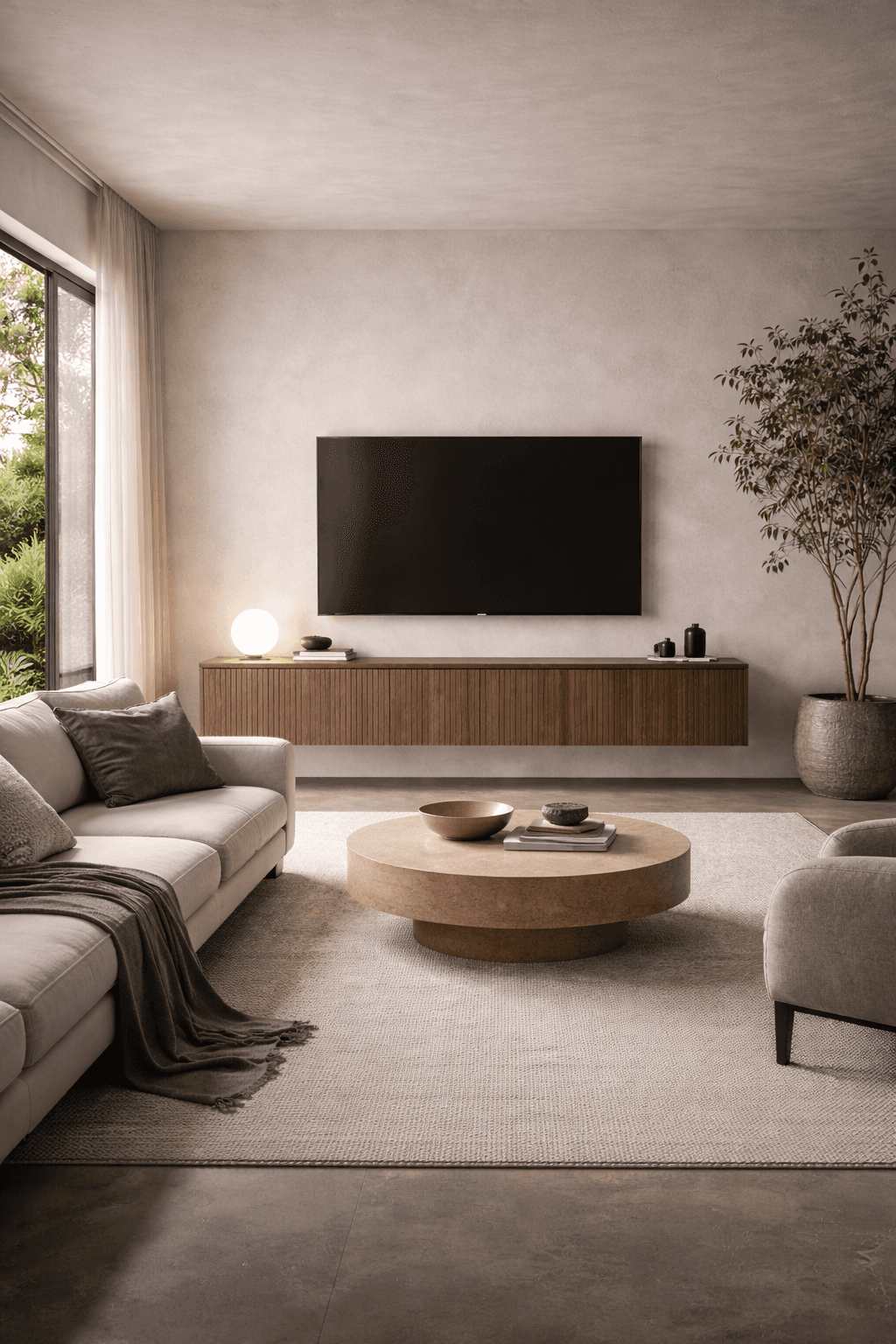
After a full day of responsibility, decisions, noise, and pressure, your nervous system is not looking for entertainment. It is looking for safety, order, and signal reduction.

Most people think stress relief happens outside the home. A holiday. A drink. A scroll. A weekend away. But those are temporary exits from an environment that is quietly working against them every single day.

Your home is not neutral.

It is either calming your nervous system or keeping it alert.


The Hidden Load You Carry Home Every Night

Modern life is cognitively heavy. Work, logistics, notifications, social expectations, financial decisions. Even on a good day, your brain is running hot.

When you walk into a space that is visually noisy, poorly laid out, badly lit, or functionally awkward, your nervous system does not relax. It stays on. You might not consciously register it, but your body does.

Common signals of a space that keeps the nervous system activated:

  • Visual clutter and mismatched elements competing for attention

  • Screens positioned too high, too low, or dominating the room

  • Harsh lighting at night when the body expects softness

  • Cables, boxes, and “temporary” setups that never resolved

  • Furniture that blocks movement or forces awkward habits


None of these feel dramatic on their own. Together, they create low grade stress that never fully switches off.

Why Small Upgrades Matter More Than Big Renovations

There is a misunderstanding that meaningful change requires a full renovation. Dust. Chaos. Massive cost. Months of disruption.

That belief keeps people stuck.

The nervous system does not care how much money you spent. It responds to clarity, alignment, and ease.

Small, intentional upgrades often have a disproportionate impact:

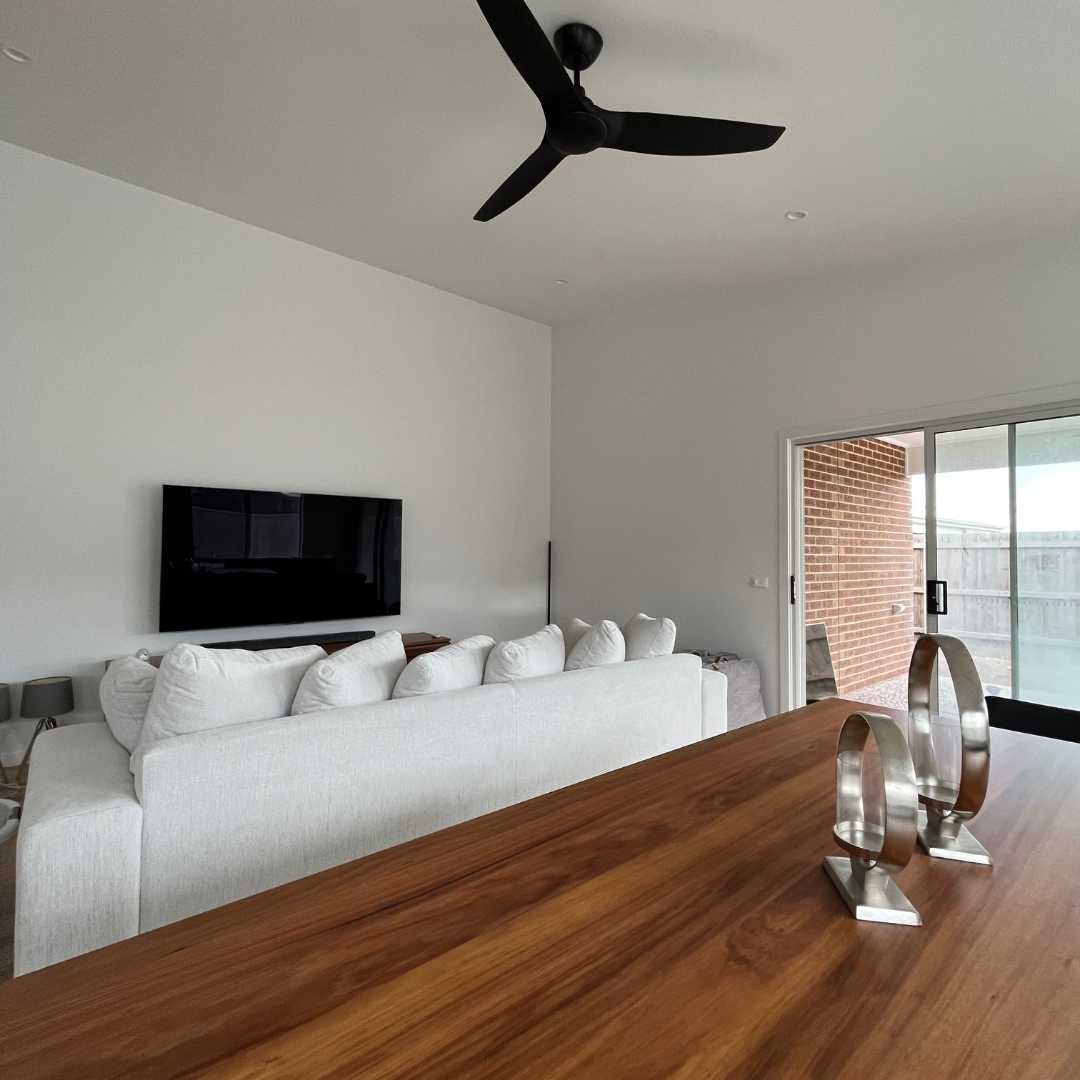
  • A properly mounted TV at the correct height removes neck tension and visual dominance

  • Hidden cables eliminate subconscious mess signals

  • A floating unit restores floor space and visual breathing room

  • Balanced wall placement creates symmetry the brain reads as order

  • Better layout improves how the room flows, not just how it looks

These are not aesthetic indulgences. They are nervous system corrections.


Space as a Signal of Self Respect

Here is the part most people miss.

When you improve your space, you are not just making it nicer. You are sending a signal to yourself.

“I am worth coming home to a calm environment.”

“I do not need chaos to prove I am busy.”

“I value how I feel after the day is done.”

Your environment becomes reinforcement. Not motivation. Reinforcement.

This is why people often feel an unexpected emotional lift after even a modest upgrade. The space is no longer draining them. It is supporting them.


Why Living With Friction Becomes Normalized

Humans adapt quickly. Too quickly.

We normalize:

  • Tilting our head to watch TV

  • Working around furniture instead of with it

  • Ignoring cable mess because “it still works”

  • Dimming lights that were never right to begin with

Adaptation keeps you functioning. It does not keep you regulated.

The longer friction exists, the less visible it becomes. Until it is removed. Then the contrast is obvious.

People often say, “I didn’t realise how much this was bothering me until it was fixed.”

That is not coincidence. That is the nervous system finally standing down.


The Role of Professional, Light Touch Upgrades

The goal is not to turn your home into a showroom.

The goal is to remove unnecessary strain.

Professional installation and thoughtful layout matter because they:

  • Get the height, spacing, and alignment right the first time

  • Eliminate visual and physical friction you have learned to tolerate

  • Create a finished feeling instead of another half solution

  • Respect both design and function without overdoing either

This is where light upgrades outperform DIY attempts and overbuilt renovations. Precision beats excess.


Your Home Is Where Recovery Happens

You can only push forward if you recover properly.

Sleep quality. Mood. Focus. Relationships. All of these are downstream of nervous system regulation.

Your home is the one place designed for that role.

Not through luxury. Through intention.

When your space is calm, ordered, and aligned, your body receives the message that it is safe to rest, reset, and prepare for the next day.

That is not decoration. That is infrastructure for a better life.

And it usually starts with just one well chosen upgrade.

After a full day of responsibility, decisions, noise, and pressure, your nervous system is not looking for entertainment. It is looking for safety, order, and signal reduction.

Most people think stress relief happens outside the home. A holiday. A drink. A scroll. A weekend away. But those are temporary exits from an environment that is quietly working against them every single day.

Your home is not neutral.

It is either calming your nervous system or keeping it alert.


The Hidden Load You Carry Home Every Night

Modern life is cognitively heavy. Work, logistics, notifications, social expectations, financial decisions. Even on a good day, your brain is running hot.

When you walk into a space that is visually noisy, poorly laid out, badly lit, or functionally awkward, your nervous system does not relax. It stays on. You might not consciously register it, but your body does.

Common signals of a space that keeps the nervous system activated:

  • Visual clutter and mismatched elements competing for attention

  • Screens positioned too high, too low, or dominating the room

  • Harsh lighting at night when the body expects softness

  • Cables, boxes, and “temporary” setups that never resolved

  • Furniture that blocks movement or forces awkward habits


None of these feel dramatic on their own. Together, they create low grade stress that never fully switches off.

Why Small Upgrades Matter More Than Big Renovations

There is a misunderstanding that meaningful change requires a full renovation. Dust. Chaos. Massive cost. Months of disruption.

That belief keeps people stuck.

The nervous system does not care how much money you spent. It responds to clarity, alignment, and ease.

Small, intentional upgrades often have a disproportionate impact:

  • A properly mounted TV at the correct height removes neck tension and visual dominance

  • Hidden cables eliminate subconscious mess signals

  • A floating unit restores floor space and visual breathing room

  • Balanced wall placement creates symmetry the brain reads as order

  • Better layout improves how the room flows, not just how it looks

These are not aesthetic indulgences. They are nervous system corrections.


Space as a Signal of Self Respect

Here is the part most people miss.

When you improve your space, you are not just making it nicer. You are sending a signal to yourself.

“I am worth coming home to a calm environment.”

“I do not need chaos to prove I am busy.”

“I value how I feel after the day is done.”

Your environment becomes reinforcement. Not motivation. Reinforcement.

This is why people often feel an unexpected emotional lift after even a modest upgrade. The space is no longer draining them. It is supporting them.


Why Living With Friction Becomes Normalized

Humans adapt quickly. Too quickly.

We normalize:

  • Tilting our head to watch TV

  • Working around furniture instead of with it

  • Ignoring cable mess because “it still works”

  • Dimming lights that were never right to begin with

Adaptation keeps you functioning. It does not keep you regulated.

The longer friction exists, the less visible it becomes. Until it is removed. Then the contrast is obvious.

People often say, “I didn’t realise how much this was bothering me until it was fixed.”

That is not coincidence. That is the nervous system finally standing down.


The Role of Professional, Light Touch Upgrades

The goal is not to turn your home into a showroom.

The goal is to remove unnecessary strain.

Professional installation and thoughtful layout matter because they:

  • Get the height, spacing, and alignment right the first time

  • Eliminate visual and physical friction you have learned to tolerate

  • Create a finished feeling instead of another half solution

  • Respect both design and function without overdoing either

This is where light upgrades outperform DIY attempts and overbuilt renovations. Precision beats excess.


Your Home Is Where Recovery Happens

You can only push forward if you recover properly.

Sleep quality. Mood. Focus. Relationships. All of these are downstream of nervous system regulation.

Your home is the one place designed for that role.

Not through luxury. Through intention.

When your space is calm, ordered, and aligned, your body receives the message that it is safe to rest, reset, and prepare for the next day.

That is not decoration. That is infrastructure for a better life.

And it usually starts with just one well chosen upgrade.

After a full day of responsibility, decisions, noise, and pressure, your nervous system is not looking for entertainment. It is looking for safety, order, and signal reduction.

Most people think stress relief happens outside the home. A holiday. A drink. A scroll. A weekend away. But those are temporary exits from an environment that is quietly working against them every single day.

Your home is not neutral.

It is either calming your nervous system or keeping it alert.


The Hidden Load You Carry Home Every Night

Modern life is cognitively heavy. Work, logistics, notifications, social expectations, financial decisions. Even on a good day, your brain is running hot.

When you walk into a space that is visually noisy, poorly laid out, badly lit, or functionally awkward, your nervous system does not relax. It stays on. You might not consciously register it, but your body does.

Common signals of a space that keeps the nervous system activated:

  • Visual clutter and mismatched elements competing for attention

  • Screens positioned too high, too low, or dominating the room

  • Harsh lighting at night when the body expects softness

  • Cables, boxes, and “temporary” setups that never resolved

  • Furniture that blocks movement or forces awkward habits


None of these feel dramatic on their own. Together, they create low grade stress that never fully switches off.

Why Small Upgrades Matter More Than Big Renovations

There is a misunderstanding that meaningful change requires a full renovation. Dust. Chaos. Massive cost. Months of disruption.

That belief keeps people stuck.

The nervous system does not care how much money you spent. It responds to clarity, alignment, and ease.

Small, intentional upgrades often have a disproportionate impact:

  • A properly mounted TV at the correct height removes neck tension and visual dominance

  • Hidden cables eliminate subconscious mess signals

  • A floating unit restores floor space and visual breathing room

  • Balanced wall placement creates symmetry the brain reads as order

  • Better layout improves how the room flows, not just how it looks

These are not aesthetic indulgences. They are nervous system corrections.


Space as a Signal of Self Respect

Here is the part most people miss.

When you improve your space, you are not just making it nicer. You are sending a signal to yourself.

“I am worth coming home to a calm environment.”

“I do not need chaos to prove I am busy.”

“I value how I feel after the day is done.”

Your environment becomes reinforcement. Not motivation. Reinforcement.

This is why people often feel an unexpected emotional lift after even a modest upgrade. The space is no longer draining them. It is supporting them.


Why Living With Friction Becomes Normalized

Humans adapt quickly. Too quickly.

We normalize:

  • Tilting our head to watch TV

  • Working around furniture instead of with it

  • Ignoring cable mess because “it still works”

  • Dimming lights that were never right to begin with

Adaptation keeps you functioning. It does not keep you regulated.

The longer friction exists, the less visible it becomes. Until it is removed. Then the contrast is obvious.

People often say, “I didn’t realise how much this was bothering me until it was fixed.”

That is not coincidence. That is the nervous system finally standing down.


The Role of Professional, Light Touch Upgrades

The goal is not to turn your home into a showroom.

The goal is to remove unnecessary strain.

Professional installation and thoughtful layout matter because they:

  • Get the height, spacing, and alignment right the first time

  • Eliminate visual and physical friction you have learned to tolerate

  • Create a finished feeling instead of another half solution

  • Respect both design and function without overdoing either

This is where light upgrades outperform DIY attempts and overbuilt renovations. Precision beats excess.


Your Home Is Where Recovery Happens

You can only push forward if you recover properly.

Sleep quality. Mood. Focus. Relationships. All of these are downstream of nervous system regulation.

Your home is the one place designed for that role.

Not through luxury. Through intention.

When your space is calm, ordered, and aligned, your body receives the message that it is safe to rest, reset, and prepare for the next day.

That is not decoration. That is infrastructure for a better life.

And it usually starts with just one well chosen upgrade.