Self Improvement Does Not Start With Discipline. It Starts With Your Environment.
Your home is not just where you live. It is an active influence on how you think, feel, and show up each day. When your environment is cluttered, awkward, or unfinished, it quietly drains energy and makes personal growth harder than it needs to be. Small, intentional home upgrades remove friction, calm the nervous system, and reinforce self respect without the chaos of a full renovation. By improving your space, you create the conditions for clarity, focus, and real self improvement to happen naturally.


Most conversations about self improvement focus on habits, routines, and willpower. Wake up earlier. Work harder. Be more consistent.
What gets overlooked is the silent system those habits live inside.
Your environment is shaping your behaviour long before motivation shows up.
If your space creates friction, distraction, or visual noise, self improvement becomes an uphill battle. Not because you lack discipline, but because your nervous system is constantly compensating.
You are trying to grow inside a container that was never designed to support it.
The Environment Is the First Habit
Before you choose what to do, your environment decides what is easy.
A cluttered room makes clarity harder.
An awkward layout creates avoidance.
Poor lighting affects energy and mood.
Unfinished setups signal that things are “good enough,” not intentional.
These signals do not shout. They whisper. And because they are constant, they shape your baseline.
This is why people can read the same books, follow the same advice, and get different results. One is working with their space. The other is fighting it.
Why Motivation Fails But Design Does Not
Motivation is volatile. It comes and goes.
Design is stable.
When your space is designed well, the right behaviours happen naturally:
You sit more comfortably and for longer without tension
You relax faster because visual noise is reduced
You move through the room without friction
You feel a subtle sense of order that carries into your thinking
None of this requires effort. It requires alignment.
Self improvement becomes easier when the environment stops asking for extra energy just to exist in it.
Small Changes, Large Identity Shifts
There is a belief that improving your life requires massive action. Quitting jobs. Reinventing yourself. Full renovations.
In reality, identity shifts often begin with small, deliberate upgrades.
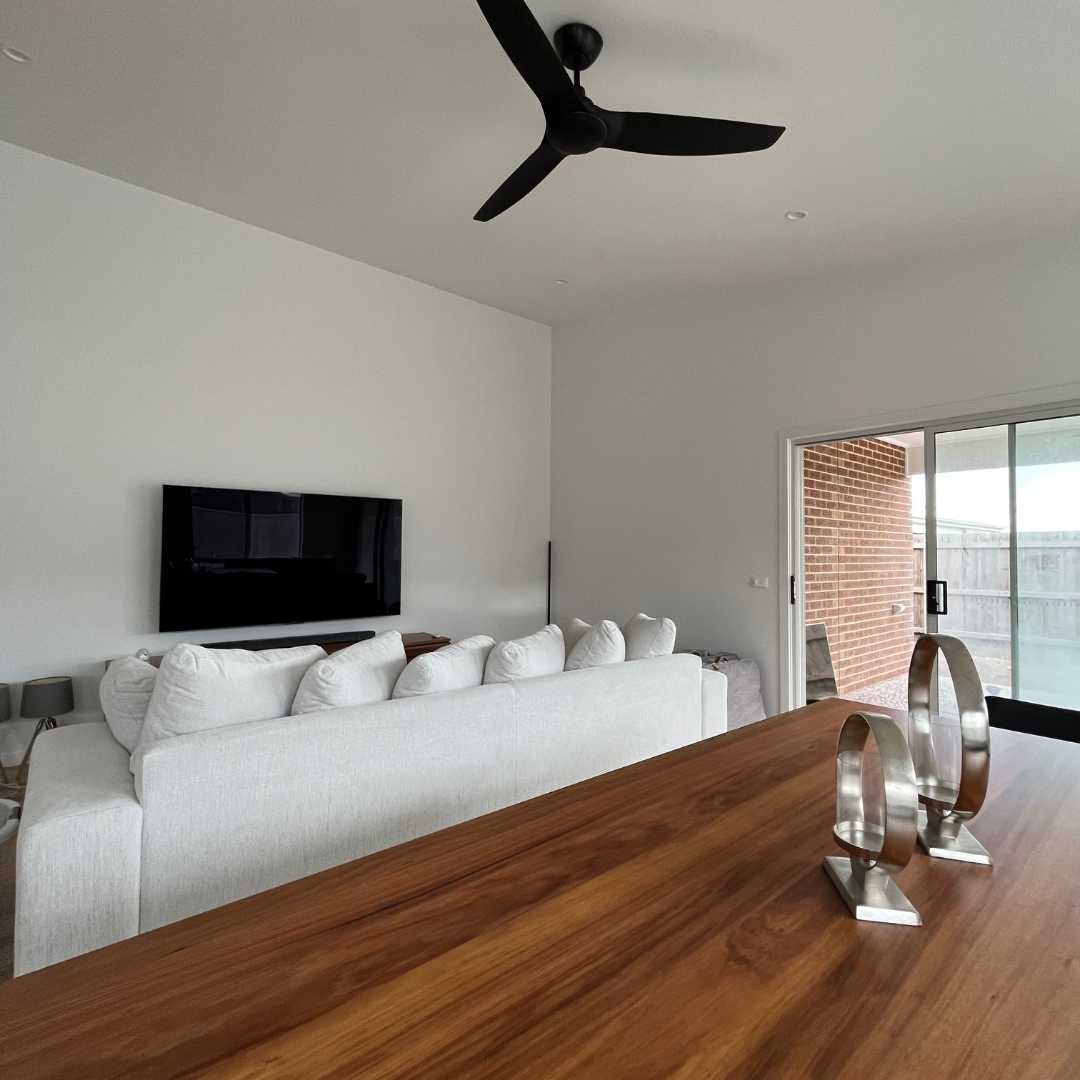
A clean, properly mounted TV that no longer dominates the room.
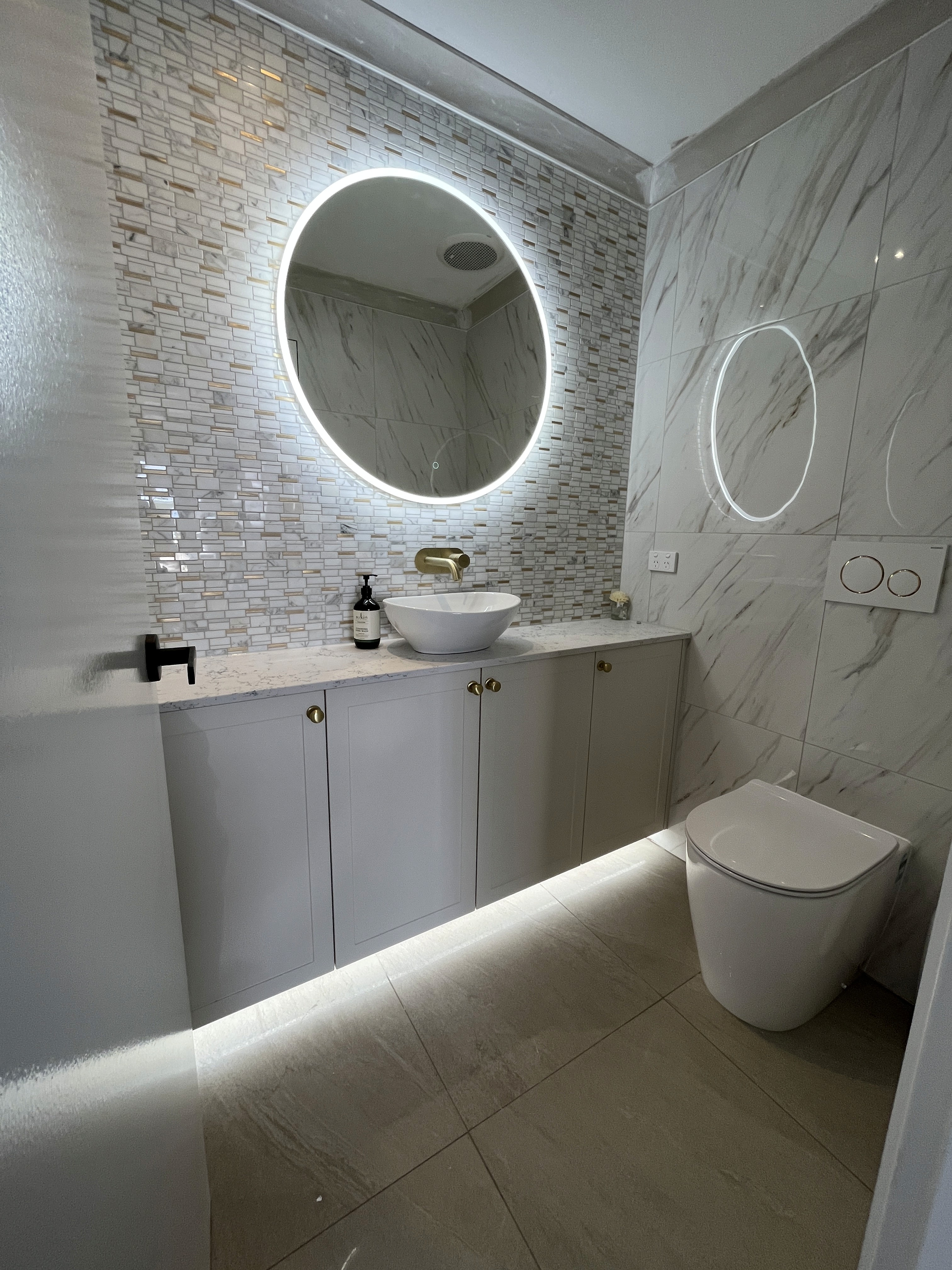
A floating unit that restores space and flow.
Cables hidden so your eye can finally rest.
A layout that feels intentional instead of accidental.
These changes do not just alter the room. They change how you perceive yourself inside it.
“I take care of my space.”
“I finish things properly.”
“I value calm over chaos.”
That is self improvement expressed physically.
Your Space Is Either Reinforcing Growth or Undermining It
Every day, your environment is reinforcing something.
Either:
Order, clarity, and self respect
Or:
Tolerance of friction, mess, and mental load
Most people do not consciously choose which one they live with. They inherit it over time.
The moment you choose to upgrade your space intentionally, you are choosing which reinforcement you want more of.
This is why people often feel a shift after light home upgrades. Not excitement. Grounding.
The space stops pulling attention. It starts supporting presence.
Why Light Home Upgrades Are the Sweet Spot
Full renovations create disruption. Stress. Decision fatigue. Expense.
Light upgrades do the opposite.
They work within the existing home and remove friction points:
Correct placement and height
Clean integration with the room
Functional improvements that look effortless
Professional execution that eliminates “almost finished” energy
This is self improvement without burnout.
The kind that compounds quietly because it is lived in every day.
Becoming the Person Who Lives Like This
The version of you that is calm, focused, and consistent does not live in chaos.
They live in a space that reflects those traits.
Not luxury. Not perfection. Alignment.
When your environment supports you, self improvement stops feeling like self control and starts feeling like self respect.
That is why upgrading your space is not separate from working on yourself.
It is one of the most practical ways to begin.
And often, it starts with a single, intentional improvement that changes how the whole room feels.
Most conversations about self improvement focus on habits, routines, and willpower. Wake up earlier. Work harder. Be more consistent.
What gets overlooked is the silent system those habits live inside.
Your environment is shaping your behaviour long before motivation shows up.
If your space creates friction, distraction, or visual noise, self improvement becomes an uphill battle. Not because you lack discipline, but because your nervous system is constantly compensating.
You are trying to grow inside a container that was never designed to support it.
The Environment Is the First Habit
Before you choose what to do, your environment decides what is easy.
A cluttered room makes clarity harder.
An awkward layout creates avoidance.
Poor lighting affects energy and mood.
Unfinished setups signal that things are “good enough,” not intentional.
These signals do not shout. They whisper. And because they are constant, they shape your baseline.
This is why people can read the same books, follow the same advice, and get different results. One is working with their space. The other is fighting it.
Why Motivation Fails But Design Does Not
Motivation is volatile. It comes and goes.
Design is stable.
When your space is designed well, the right behaviours happen naturally:
You sit more comfortably and for longer without tension
You relax faster because visual noise is reduced
You move through the room without friction
You feel a subtle sense of order that carries into your thinking
None of this requires effort. It requires alignment.
Self improvement becomes easier when the environment stops asking for extra energy just to exist in it.
Small Changes, Large Identity Shifts
There is a belief that improving your life requires massive action. Quitting jobs. Reinventing yourself. Full renovations.
In reality, identity shifts often begin with small, deliberate upgrades.
A clean, properly mounted TV that no longer dominates the room.
A floating unit that restores space and flow.
Cables hidden so your eye can finally rest.
A layout that feels intentional instead of accidental.
These changes do not just alter the room. They change how you perceive yourself inside it.
“I take care of my space.”
“I finish things properly.”
“I value calm over chaos.”
That is self improvement expressed physically.
Your Space Is Either Reinforcing Growth or Undermining It
Every day, your environment is reinforcing something.
Either:
Order, clarity, and self respect
Or:
Tolerance of friction, mess, and mental load
Most people do not consciously choose which one they live with. They inherit it over time.
The moment you choose to upgrade your space intentionally, you are choosing which reinforcement you want more of.
This is why people often feel a shift after light home upgrades. Not excitement. Grounding.
The space stops pulling attention. It starts supporting presence.
Why Light Home Upgrades Are the Sweet Spot
Full renovations create disruption. Stress. Decision fatigue. Expense.
Light upgrades do the opposite.
They work within the existing home and remove friction points:
Correct placement and height
Clean integration with the room
Functional improvements that look effortless
Professional execution that eliminates “almost finished” energy
This is self improvement without burnout.
The kind that compounds quietly because it is lived in every day.
Becoming the Person Who Lives Like This
The version of you that is calm, focused, and consistent does not live in chaos.
They live in a space that reflects those traits.
Not luxury. Not perfection. Alignment.
When your environment supports you, self improvement stops feeling like self control and starts feeling like self respect.
That is why upgrading your space is not separate from working on yourself.
It is one of the most practical ways to begin.
And often, it starts with a single, intentional improvement that changes how the whole room feels.
Most conversations about self improvement focus on habits, routines, and willpower. Wake up earlier. Work harder. Be more consistent.
What gets overlooked is the silent system those habits live inside.
Your environment is shaping your behaviour long before motivation shows up.
If your space creates friction, distraction, or visual noise, self improvement becomes an uphill battle. Not because you lack discipline, but because your nervous system is constantly compensating.
You are trying to grow inside a container that was never designed to support it.
The Environment Is the First Habit
Before you choose what to do, your environment decides what is easy.
A cluttered room makes clarity harder.
An awkward layout creates avoidance.
Poor lighting affects energy and mood.
Unfinished setups signal that things are “good enough,” not intentional.
These signals do not shout. They whisper. And because they are constant, they shape your baseline.
This is why people can read the same books, follow the same advice, and get different results. One is working with their space. The other is fighting it.
Why Motivation Fails But Design Does Not
Motivation is volatile. It comes and goes.
Design is stable.
When your space is designed well, the right behaviours happen naturally:
You sit more comfortably and for longer without tension
You relax faster because visual noise is reduced
You move through the room without friction
You feel a subtle sense of order that carries into your thinking
None of this requires effort. It requires alignment.
Self improvement becomes easier when the environment stops asking for extra energy just to exist in it.
Small Changes, Large Identity Shifts
There is a belief that improving your life requires massive action. Quitting jobs. Reinventing yourself. Full renovations.
In reality, identity shifts often begin with small, deliberate upgrades.
A clean, properly mounted TV that no longer dominates the room.
A floating unit that restores space and flow.
Cables hidden so your eye can finally rest.
A layout that feels intentional instead of accidental.
These changes do not just alter the room. They change how you perceive yourself inside it.
“I take care of my space.”
“I finish things properly.”
“I value calm over chaos.”
That is self improvement expressed physically.
Your Space Is Either Reinforcing Growth or Undermining It
Every day, your environment is reinforcing something.
Either:
Order, clarity, and self respect
Or:
Tolerance of friction, mess, and mental load
Most people do not consciously choose which one they live with. They inherit it over time.
The moment you choose to upgrade your space intentionally, you are choosing which reinforcement you want more of.
This is why people often feel a shift after light home upgrades. Not excitement. Grounding.
The space stops pulling attention. It starts supporting presence.
Why Light Home Upgrades Are the Sweet Spot
Full renovations create disruption. Stress. Decision fatigue. Expense.
Light upgrades do the opposite.
They work within the existing home and remove friction points:
Correct placement and height
Clean integration with the room
Functional improvements that look effortless
Professional execution that eliminates “almost finished” energy
This is self improvement without burnout.
The kind that compounds quietly because it is lived in every day.
Becoming the Person Who Lives Like This
The version of you that is calm, focused, and consistent does not live in chaos.
They live in a space that reflects those traits.
Not luxury. Not perfection. Alignment.
When your environment supports you, self improvement stops feeling like self control and starts feeling like self respect.
That is why upgrading your space is not separate from working on yourself.
It is one of the most practical ways to begin.
And often, it starts with a single, intentional improvement that changes how the whole room feels.
Upgrades By Room 🏠
See all